There are already 231 invasive species in Portuguese waters
Science

There are already 231 invasive species in Portuguese waters

SAPO29 August 2026 at 21:15

There are already 231 invasive species registered in Portuguese waters, a number that reflects the growing biological threat to the country's marine ecosystems. This data comes in the context of an environmental problem that has been worsening in recent decades.

Invasive species represent a concern for local biodiversity, as they tend to compete with native species for resources and habitat. Their presence can cause imbalances in Portuguese marine ecosystems.

The article does not specify which these 231 invasive species are or how they arrived in Portuguese waters. Data on the specific economic or ecological impact that these species may have already caused is also not presented.


Related articles

Science

Square breathing: how one of the most powerful 'tricks' to control stress works

Square breathing, a technique that consists of inhaling, holding the breath, exhaling, and holding the breath again for the same amount of time, creating a "square" of counting, has gone viral on social media as a method to control stress and anxiety. Experts explain that the technique activates the parasympathetic nervous system, responsible for calming the body, and can reduce heart rate and blood pressure. Research indicates that practicing this type of controlled breathing can decrease cortisol levels and improve concentration capacity. However, experts warn that, although it is a useful emotional regulation tool, it does not replace adequate medical or therapeutic treatment for anxiety disorders.

BBC News Brasil29/08/26, 22:25
Science

UBI discovers new treatment for stroke

The research team at the University of Beira Interior (UBI), in collaboration with international specialists from Spain and the United States, developed a new treatment for stroke that uses the molecule nestorone, normally approved for contraceptive purposes, administered nasally to bypass the blood-brain barrier. Pre-clinical trials in animal models showed that a single dose administered during the acute phase of ischemic stroke substantially reduces neuronal lesions and inflammation, accelerating motor capacity recovery. Led by researcher Sara Meirinho, the study was published in the journal Drug Delivery and Translational Research. Although the results are promising, the treatment is still in the pre-clinical phase, with new toxicology studies and human clinical trials needed. The researchers point out that this neuroprotective approach may also be applied to other diseases of the central nervous system, such as multiple sclerosis.

oRegiões29/08/26, 22:00
Itália soltou 130 mil polvos bebés para travar uma invasão de caranguejos
Science

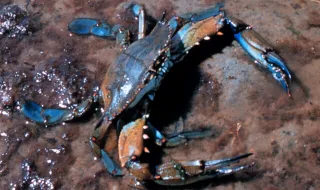
Italy released 130,000 baby octopuses to stop a crab invasion

Italy is testing an innovative strategy to combat the invasion of the blue crab, a species native to the Atlantic coast that has caused major damage to fishing and aquaculture in the Adriatic Sea. As part of the Octo-Blu project, developed by the University of Bologna with the support of the Emilia-Romagna Region, approximately 130,000 octopus paralarvae were released off the coast of Cesenatico and Riccione. The project, which started in 2024, studies both the biology of the blue crab and methods of octopus breeding and cultivation in the laboratory, seeking to balance the marine ecosystem of the region.

ZAP Notícias29/08/26, 21:30
Science

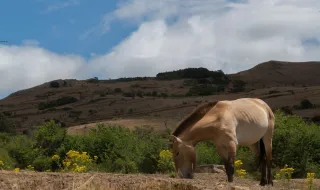
Takhi, the wild horse that became a symbol of restoration in Mongolia

The takhi, or Przewalski's horse, is the only truly wild horse in the world and a national symbol of Mongolia. Discovered by Europeans in the late 19th century, the species was hunted and sent to zoos until it was declared extinct in the wild in 1968. From the 1970s onwards, Dutch conservationists created a captive breeding programme, and in 1992, 15 horses were reintroduced to Hustai National Park. After a period of adaptation, the population grew and today there are around 800 animals in the country. Challenges include the degradation of the steppes caused by an excess of domestic animals — Mongolia has 58 million head of livestock — and climate change. The park is betting on economic alternatives for nomads, such as tourism and crafts, to reduce pressure on the land.

Jornal Económico29/08/26, 20:00