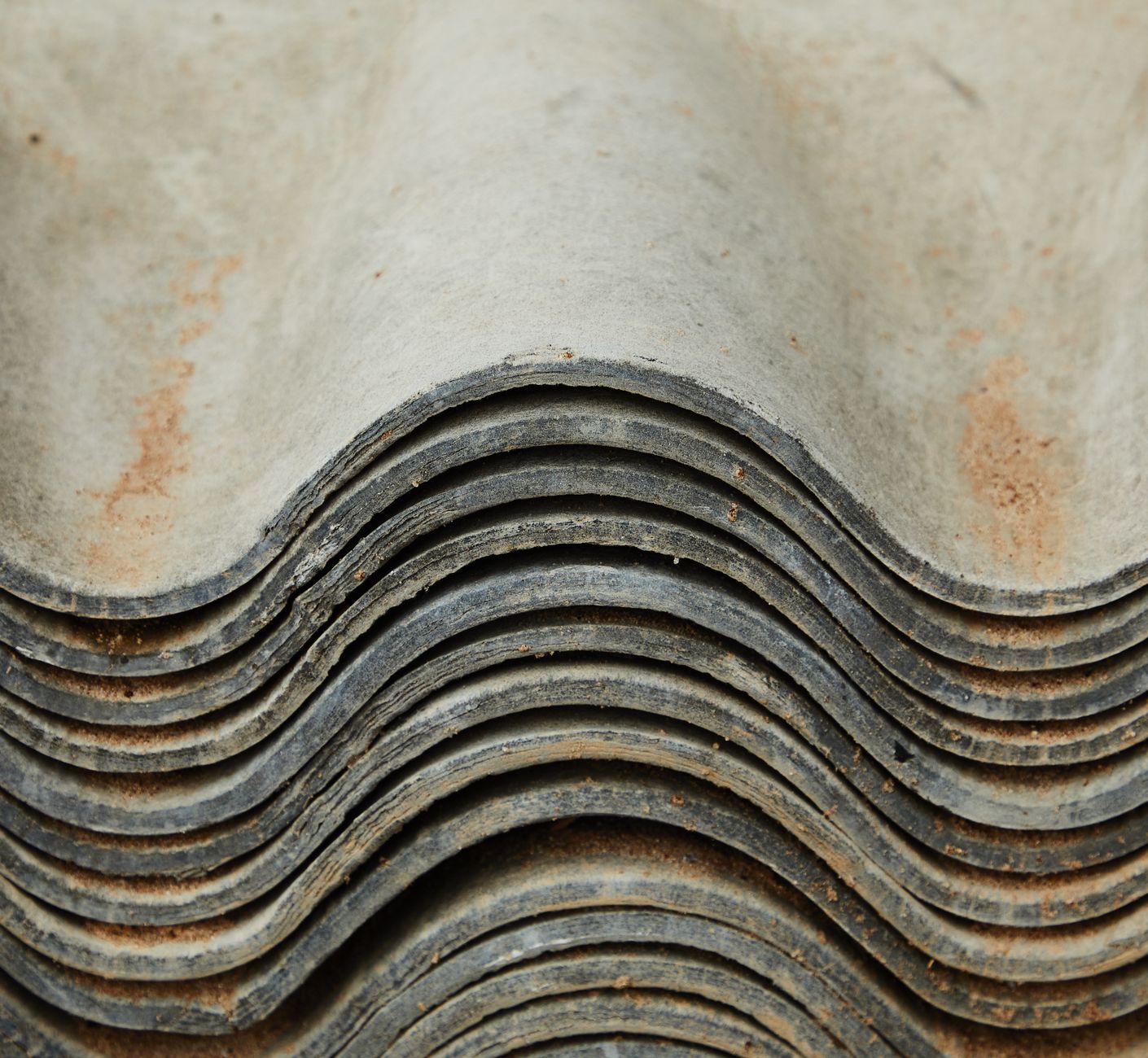
The regional newspaper Novo Regional reported that asbestos was illegally deposited in Sobrado, on a hill located a few meters from Municipal Road 606 and about 200 meters from the Professional School. The deposit was made by unknown individuals, but investigations are underway to identify the offenders.
Portuguese legislation strictly prohibits the deposit of asbestos on public roads, considering this practice a serious environmental crime. Because it is a highly toxic and carcinogenic material, its improper handling and disposal represent significant risks to public health and the environment. Fines for this type of offense can range between 24,000 euros and 5 million euros, depending on whether the offender is an individual or a company.
The Valongo City Council regretted the incident and stated that it cannot proceed with the removal of asbestos without using certified and authorized services. The municipality is currently consulting specialized companies to carry out the removal of the illegally deposited material. The municipality highlighted that it does not have legal competence to act directly in these situations, but is collaborating in identifying those responsible and forwarding information to SEPNA, the entity responsible for acting in these cases.
The municipality called on the population to adopt an active stance of reporting these behaviors, emphasizing that the costs of asbestos removal consume financial resources that could be used for other purposes. The Portuguese Environment Agency provides information about certified entities for the reception and treatment of these materials, with no justification existing for illegal deposits.
O Jornal Novo Regional verificou há dias (ver video publicado no facebook) que foi depositado em Sobrado num monte, a alguns metros da Estrada Municipal 606 e a cerca de 200m da Escola Profissional, uma quantidade de amianto. O depósito foi efetuado por desconhecidos, mas o JNR sabe que estarão em curso investigações para encontrar os prevaricadores. Numa breve consulta à legislação fica a saber-se que depositar amianto na via pública é estritamente proibido por lei em Portugal e constitui um crime ambiental grave. Por ser um material altamente tóxico e cancerígeno, a sua manipulação e descarte inadequados põem em risco direto a saúde pública e o meio ambiente. Valor das Coimas: Trata-se de uma contraordenação ambiental muito grave ao abrigo da Lei-Quadro das Contraordenações Ambientais. As multas aplicadas pelas autoridades (como a GNR/SEPNA ou a Inspeção-Geral do Ambiente) podem oscilar entre 24 mil euros e 5 milhões de euros, dependendo se o infrator é um particular ou uma empresa. O JNR solicitou um comentário à Câmara de Valongo, que respondeu: “O Município começa por lamentar este tipo de comportamento, que coloca em risco a saúde de todos e é um atentado ambiental. É muito importante que todos tenham uma postura ativa de denúncia sobre este tipo de comportamentos que prejudicam a comunidade. Por lei, o Município não pode efetuar a remoção de amianto sem o recurso a serviços certificados e autorizados para o efeito. Deste modo, estão a ser consultadas empresas para que se possa em breve proceder à remoção de todo o amianto depositado ilegalmente. É importante referir que as câmaras municipais não têm competência nesta matéria. A remoção de amianto traz custos e obriga a mobilizar recursos financeiros que poderiam servir para outros fins se estes comportamentos não existissem. Por outro lado, o Município tem colaborado para ajudar a identificar os responsáveis pelas deposições ilegais de amianto que se têm vindo a verificar. No entanto, é importante realçar que a autarquia não tem competência legal para atuar diretamente sobre estas práticas, sendo que ajuda na instrução dos processos de contraordenação e de eventuais responsabilidades criminais e encaminha toda a informação para o SEPNA, a entidade responsável por atuar nestas circunstâncias. Já em relação à deposição legal deste tipo de resíduos, a Agência Portuguesa do Ambiente disponibiliza informação sobre as entidades certificadas e habilitadas para receber e tratar estes materiais. Não há qualquer justificação para que pessoas singulares e coletivas adotem este tipo de comportamentos que colocam em risco a saúde pública e o ambiente”.
Coimbra City Hall informs that the ongoing works on Avenida da Guarda Inglesa, one of the city's busiest avenues, will continue until the 7th, conditioning traffic on that road during this period.
The Judicial Police arrested on Thursday, in Guarda, a man in flagrante delicto as he was preparing to sell 210 doses of hashish pollen at night, near the door of his residence. The operation led to the detention of the suspect, who was placed in preventive detention.
A diamond necklace valued at 3.7 million euros was stolen from the Natural History Museum in Vienna, Austria. The platinum jewelry, adorned with 673 diamonds, had belonged to Egyptian Queen Nazli Sabri and was on temporary display by French jewelers Van Cleef & Arpels. A pair of robbers managed to flee on foot and remains at large, while Austrian police investigate the case.
Cristiano Abreu, a firefighter with the Madeirenses Volunteer Firefighters, discovered he had become a father for the first time while participating in a rescue operation of a Kazakh tourist on the Pico Furão trail, in Fajã dos Cortes, Curral das Freiras. The daughter was born during the approximately 20 hours of the rescue mission, and the moment was celebrated by the members of the corporation, who gave Cristiano a gift to mark the occasion.