Between the Russian invasion of Ukraine and the consequences derived from Donald Trump's second term, accession to the European Union has become a security objective as or more important than an economic necessity. This context explains the renewed interest of several countries in strengthening their ties with the EU as a way to ensure greater stability and protection.
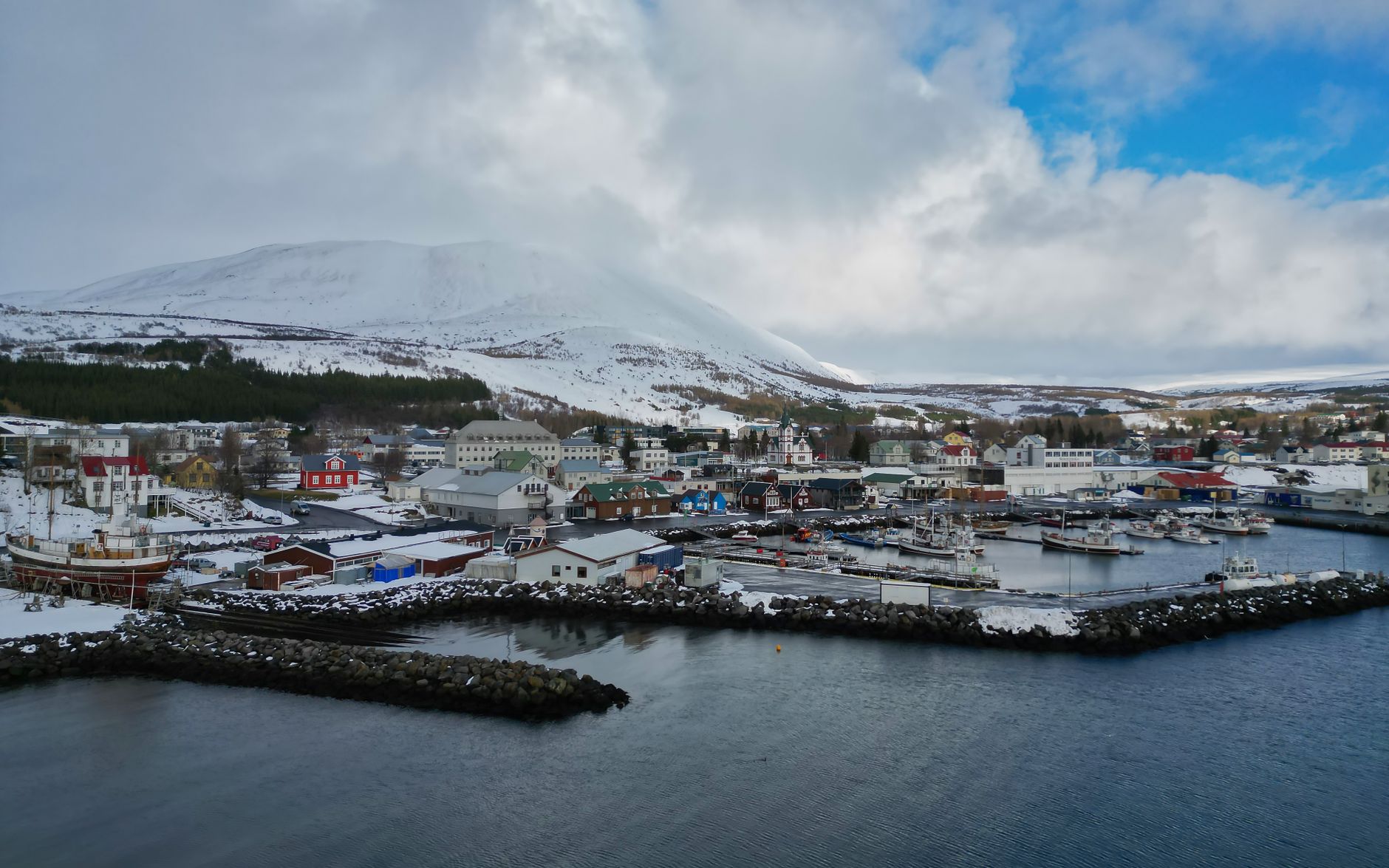
In Iceland, a debate has opened to reactivate negotiations with Brussels, suspended for more than a decade. The Icelanders are holding a referendum on this matter. This decision comes at a time when the country is seeking to reinforce its security guarantees in light of current geopolitical tensions.
The Ukrainian president, Volodymyr Zelenskyy, has also been insisting on defining a timeline for his country's accession to the EU. Ukraine sees European integration as a way to consolidate its stability in a context of war and uncertainty.
The differences between Iceland's developed economy and Ukraine's fragility, devastated by conflict, present very different challenges for accession. However, both states share the common need to increase their stability and security guarantees, although for specific reasons in each case.