Fliparacatu: Mia Couto Read Unpublished Excerpt from Book at Meeting with Noemi Jaffe and Jeferson TenórioPhoto by Eliézer Fernandes on Pexels
EntertainmentBraga

Fliparacatu: Mia Couto Read Unpublished Excerpt from Book at Meeting with Noemi Jaffe and Jeferson Tenório

Agência Incomparáveis29 August 2026 at 23:07

The closing program on Friday, August 28, of the 4th Fliparacatu brought together Mozambican writer Mia Couto and São Paulo author Noemi Jaffe in a dialogue moderated by writer Jeferson Tenório. The meeting, which was part of the fourth edition of the literary festival held in Paracatu, addressed themes such as the work of Guimarães Rosa, the artisanal handling of language, the beauty of the passage of time, and the sharing of unpublished works. Jeferson Tenório opened the dialogue citing Guimarães Rosa's presence at the festival and the quote from a student winner of the Essay and Drawing Award: "I am literature."

Mia Couto began his reflection on the origins of the act of narrating, warning about the risk of isolating literary work from everyday experience. The author recalled that he became a writer not only because of his love for reading books, but by paying attention to the stories told by his mother in Mozambique, which brought into the present relatives he could not meet. Mia revealed that Angolan writer Luandino Vieira sent him a copy of "A terceira margem do rio," and no other text shook him so deeply, being faced with the possibilities of a language situated at the exact frontier with orality.

Noemi Jaffe, author of the book "Te dou minha palavra," highlighted the respect and almost sacred dimension that Guimarães Rosa devoted to each word, emphasizing that the giving of the word to the other carries a donation of one's own soul. The author also recovered the distinction between chronological time and the expression "a hora e a vez," defining "vez" as the decisive and transformative moment in which the individual needs to throw himself entirely. Both authors addressed the poetic approximations between childhood and old age, with Mia relating maturity to the learning that comes from caring for wounded birds, mainly owls.

One of the most striking moments of the meeting was the sharing of readings. Mia Couto read, for the first time in public, the first chapter of his unpublished novel, scheduled for release next year, about the drama of trafficking and exploitation of young people in abandoned mines in South Africa. Then, Noemi Jaffe read the opening pages of her work "Te Dou Minha Palavra," narrating her perceptions before the mirror and the marks of time on the body, interweaving memories of childhood as the daughter of Holocaust survivors.
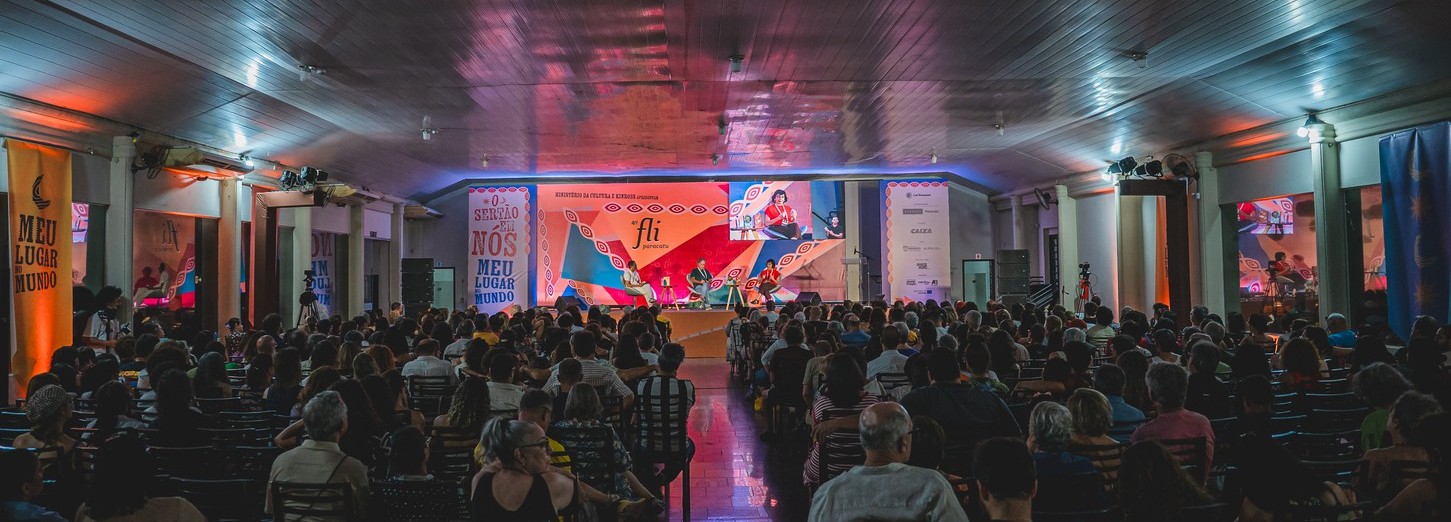
A programação de encerramento da sexta-feira, 28 de agosto, do 4.º Fliparacatu reuniu dois dos mais notáveis nomes da literatura contemporânea em língua portuguesa: o moçambicano Mia Couto e a paulistana Noemi Jaffe. Com mediação de Jeferson Tenório, os autores falaram sobre a obra de Guimarães Rosa, o manejo artesanal da linguagem, a beleza da passagem do tempo e até mesmo sobre trabalhos inéditos.

Jeferson abriu o diálogo resgatando a presença de Guimarães Rosa no festival e citando a frase de um dos estudantes vencedores do Prêmio de Redação e Desenho de edições anteriores do Fliparacatu, que declarou: “eu sou literatura”. Diante dessa provocação, Mia Couto iniciou sua reflexão sobre as origens do ato de narrar, alertando para o risco de isolarmos o fazer literário da experiência cotidiana.

Ao recordar a infância em Moçambique, filho de imigrantes portugueses, Mia contou que se tornou escritor não apenas por seu gosto de ler livros, mas por prestar atenção às histórias contadas por sua mãe. Tais narrativas familiares traziam para o presente os parentes que ele não pôde conhecer fisicamente. Para o autor, a literatura não reside em um pedestal distante, mas na oralidade primordial e na necessidade humana fundamental de dar sentido à existência. Mia também compartilhou o modo como a obra de Guimarães Rosa chegou até ele. A indicação partiu do escritor angolano Luandino Vieira, que lhe enviou uma cópia de “A terceira margem do rio”. Mia revelou que nenhum outro texto o abalou de forma tão profunda, estando diante das possibilidades de uma linguagem situada na fronteira exata com a oralidade.

Ao tomar a palavra, Noemi Jaffe destacou o respeito e a dimensão quase sagrada que Guimarães Rosa dedicava a cada vocábulo. Autora do livro “Te dou minha palavra”, Noemi ressaltou que a entrega da palavra ao outro carrega uma doação da própria alma. A escritora recuperou a distinção entre o tempo cronológico e a expressão “a hora e a vez”, cara à obra de Rosa, definindo a “vez” como o momento decisivo e transformador no qual o indivíduo precisa se lançar por inteiro.

A dimensão do tempo ganhou contornos poéticos quando os convidados abordaram as aproximações entre a infância e a velhice. Mia Couto, biólogo por formação, relacionou a maturidade com o aprendizado vindo do cuidado que teve com pequenos pássaros feridos, em sua maioria corujas, afirmando que a infância e o próprio amor nasceram com as aves e com a dedicação absoluta aos seus ninhos. Noemi Jaffe, por sua vez, reforçou essa simetria apontando como a memória da maturidade tende a resgatar lembranças sensoriais e antigas com uma nitidez impressionante.

Foto: @alnereis

Um dos momentos mais marcantes do encontro foi a partilha de leituras. Mia Couto leu, pela primeira vez em público, o primeiro capítulo de seu romance inédito, com lançamento previsto para o próximo ano. O texto aborda o drama do tráfico e da exploração de jovens em minas abandonadas na África do Sul, contando a dor de uma mãe que perde seu filho. Em seguida, Noemi Jaffe leu as páginas iniciais de sua obra mais recente, “Te Dou Minha Palavra”, narrando suas percepções diante do espelho, encarando as marcas do tempo no corpo e entremeando memórias da infância como filha de sobreviventes do Holocausto.

Assista à conversa neste link:

4.º Fliparacatu

Em 2026, o Fliparacatu realiza sua quarta edição entre os dias 26 e 30 de agosto, homenageando dois dos maiores intelectuais brasileiros: João Guimarães Rosa, pelos 70 anos da publicação de Grande Sertão: Veredas, e o geógrafo Milton Santos, no centenário de seu nascimento.

Com curadoria de Sérgio Abranches, Calila das Mercês e Afonso Borges, além da programação local assinada por Daniela Prado e da curadoria infantojuvenil de Rafael Nolli, o festival reúne escritores, jornalistas, artistas, educadores e pesquisadores para discutir literatura, democracia, meio ambiente, cidades, tecnologia, desigualdade, memória, identidade e os desafios do mundo contemporâneo.

Realizado pela Mentha Cultural, com patrocínio master da Kinross, por meio da Lei Rouanet do Ministério da Cultura, e apoio da Prefeitura de Paracatu e da Academia de Letras do Noroeste de Minas, o Fliparacatu acontece em diferentes espaços do Centro Histórico da cidade, aproximando autores, leitores e ideias em uma programação gratuita e aberta ao público. ■

O post Fliparacatu: Mia Couto leu trecho inédito de livro em encontro com Noemi Jaffe e Jeferson Tenório apareceu primeiro em Agência Incomparáveis.

Related articles

Sam The Kid no MEO Kalorama com Orquestra e Orelha Negra: “Tenho de pensar na criança que eu era. Isto é um luxo”
Entertainment

Sam The Kid at MEO Kalorama with Orchestra and Orelha Negra: "I have to think about the child I was. This is a luxury"

Sam The Kid, accompanied by the Orchestra and Orelha Negra, took to the stage at MEO Kalorama on Saturday, August 29, at Parque Tejo in Lisbon. Before the concert, the artist spoke with SAPO about the project, reflecting that he needs to think about the child he was when creating these performances, considering them a true luxury.

SAPO Notícias29/08/26, 23:26
Festa e arraial no centro da cidade do Porto Santo
Entertainment

Festival and fair in the center of Porto Santo city

This weekend, the traditional feast of Nossa Senhora da Piedade takes place in the center of Porto Santo city, an event much cherished by the local population that transforms the central area of the island into a stage for celebration and festivity.

SAPO Notícias29/08/26, 23:21
Entertainment

Fliparacatu: Imagining other futures is a way of looking at the present, according to Paulliny Tort and Sérgio Abranches

During the panel "Speculative fiction between the past and the future" at the 4th Fliparacatu, authors Paulliny Tort and Sérgio Abranches discussed how literary imagination serves as a tool for understanding the present, and not just as an escape from reality. Drawing from their works — "Os Imortais" and "A Franja do Fim do Mundo" — the writers explored themes such as the climate crisis, social inequalities, and criticism of the neoliberal model that reduces human existence to productivity. Both argued that imagining futures, whether by returning to prehistory or projecting dystopias, is a way of exercising autonomy and making visible issues that the present insists on hiding, affirming that literature functions as a rehearsal space for collectively thinking about what kind of society one intends to build.

Agência Incomparáveis29/08/26, 23:15
Esta é a nova fantasia romântica que está a conquistar leitores. Entrevistámos a autora de “A Deusa da Ilusão”
Entertainment

This is the new romantic fantasy that is winning over readers. We interviewed the author of "The Goddess of Illusion"

"The Goddess of Illusion", by Madeline Taylor, is the latest dark romantasy work winning over readers, and publication MAGG conducted an interview with the author about this work that promises to be a standout addition to the dark romantic genre on readers' shelves.

SAPO Notícias29/08/26, 23:13