The World Meteorological Organization confirmed the arrival of the El Niño phenomenon, a natural and cyclical phenomenon that threatens to increase global warming and cause more climate extremes in various regions of the planet. This information is gaining traction on economics pages, warning of a possible domino effect on a global scale of still uncertain magnitude.
At least a dozen financial institutions worldwide have already initiated risk analyses to understand the possible impact of this episode on the world economy. These institutions are closely monitoring the evolution of the phenomenon while waiting to see what intensity it will acquire.
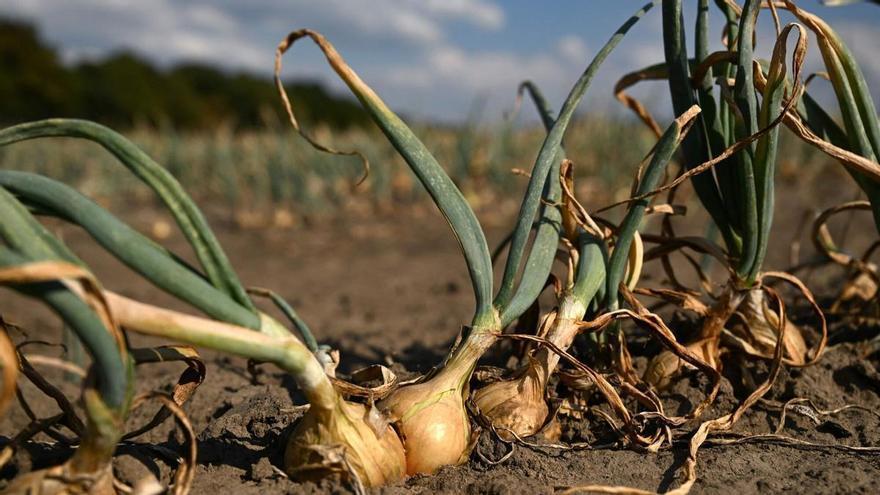
The main concerns focus on the impact on global agriculture, with potential losses in key crops such as sugar, coffee, cocoa, and rice. These products are essential for global food supply and for numerous industries.
Projections indicate a possible increase of up to 15% in global food commodity prices, which could result in higher food inflation for at least one year, affecting consumers and economies worldwide.