Scientists reconstructed the sounds that insects produced in Jurassic forests, 165 million years ago. The study focused on Jurassic relatives of modern crickets and grasshoppers, trying to reconstruct the calls that these primitive animals made. The research allowed the creation of a soundscape of what the noises of these prehistoric forests might have been like, offering a window into Earth's past.
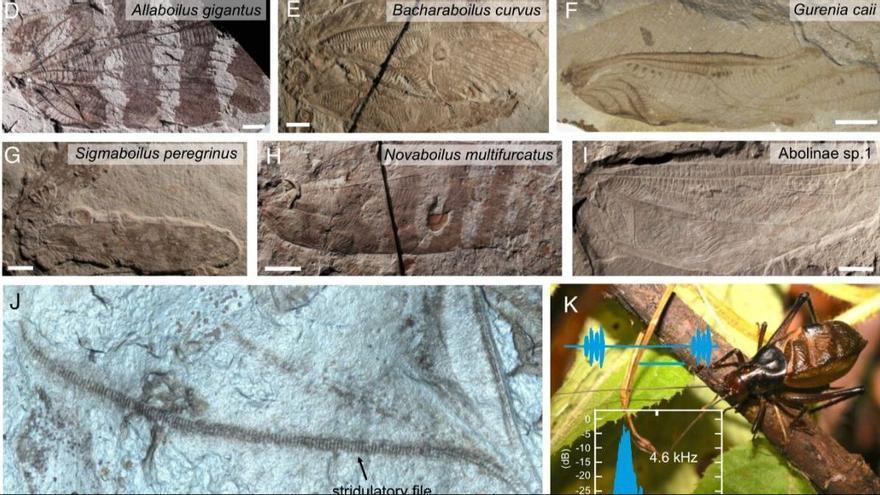
The fossils were the main source of clues for this reconstruction. By analyzing the fossilized remains of Jurassic insects, researchers were able to collect data on their anatomy and body structure, which allowed them to determine how these animals might have produced sounds. The reconstructions were based on this fossil evidence to create models of what the calls might have sounded like.
This type of research combines paleontology and bioacoustics, bringing together the study of past living beings with the analysis of the sounds they produced. The result is an approximation of the sonic environment of an ecosystem that existed long before humans appeared on Earth, allowing us to better understand what life was like in Jurassic forests.