Coral-built seamounts "trap" millions of tons of carbon in the deep ocean
Science

Coral-built seamounts "trap" millions of tons of carbon in the deep ocean

SAPO Notícias28 August 2026 at 17:04

Researchers have discovered that seamounts formed by coral can trap millions of tons of carbon in the deep ocean. The study highlights that, while "blue carbon" from coastal ecosystems such as seagrass meadows, mangroves, and salt marshes has received great attention as a natural solution to mitigate climate change, less importance has been given to deep ocean habitats. The researchers argue that deep-water coral ecosystems, although less well known, can play a significant role in long-term carbon storage. This discovery suggests that deep seafloors, particularly coral seamounts, represent a pathway not yet fully explored for understanding and enhancing ocean carbon sinks.

Related articles

Science

Science and field performance: Maxx Athlete Dogs Project

The Maxx Atleta Dogs project, developed in partnership with UFRR, the Roraima Penal Police Kennel, and LABEAVET, investigates the effects of supplementation with spirulina, creatine, and maltodextrin (provided as functional gummies) on the physical performance, metabolism, and behavior of police dogs. During the tests, the animals are subjected to exercises that simulate their actual service activities, with rigorous monitoring of physiological parameters such as heart rate, body temperature, blood lactate, and post-exercise behavior. The study represents a rare initiative in Brazil and worldwide, being one of the few studies with working dogs subjected to functional nutritional protocols and complete physiological assessments.

oglobo28/08/26, 21:07
Science

Lindsay Clancy Case: "My first empathy goes to these children"

Joana Amaral Dias commented on the Lindsay Clancy case, expressing deep empathy for the children involved, and explained the medical and psychiatric complexity associated with postpartum psychosis episodes, using historical and recent cases in Portugal to illustrate the severity and particularities of this condition.

Now28/08/26, 20:28
Science

Portuguese waters have 231 invasive species: five had never been recorded before

A new study identified 231 non-indigenous marine species in Portuguese waters, including five that had never been previously recorded. The research alerts to the impact of these invasive species on local marine biodiversity and Portugal's coastal ecosystems.

Notícias de Coimbra28/08/26, 19:56
Science

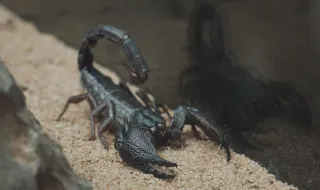
What species is this: scorpion

A reader photographed a scorpion in Águas, Penamacor, Portugal, and asked for help identifying the species. Expert Pedro Sousa identified the animal as belonging to the genus Buthus, probably the species Buthus halius. This is a common species in Portugal, especially in warm and dry areas, with nocturnal habits, that feeds on insects and other invertebrates. Regarding dangerousness, the sting is painful but generally only poses a risk for people with allergies to the venom, young children, elderly people, or people with weakened health.

Wilder28/08/26, 19:17