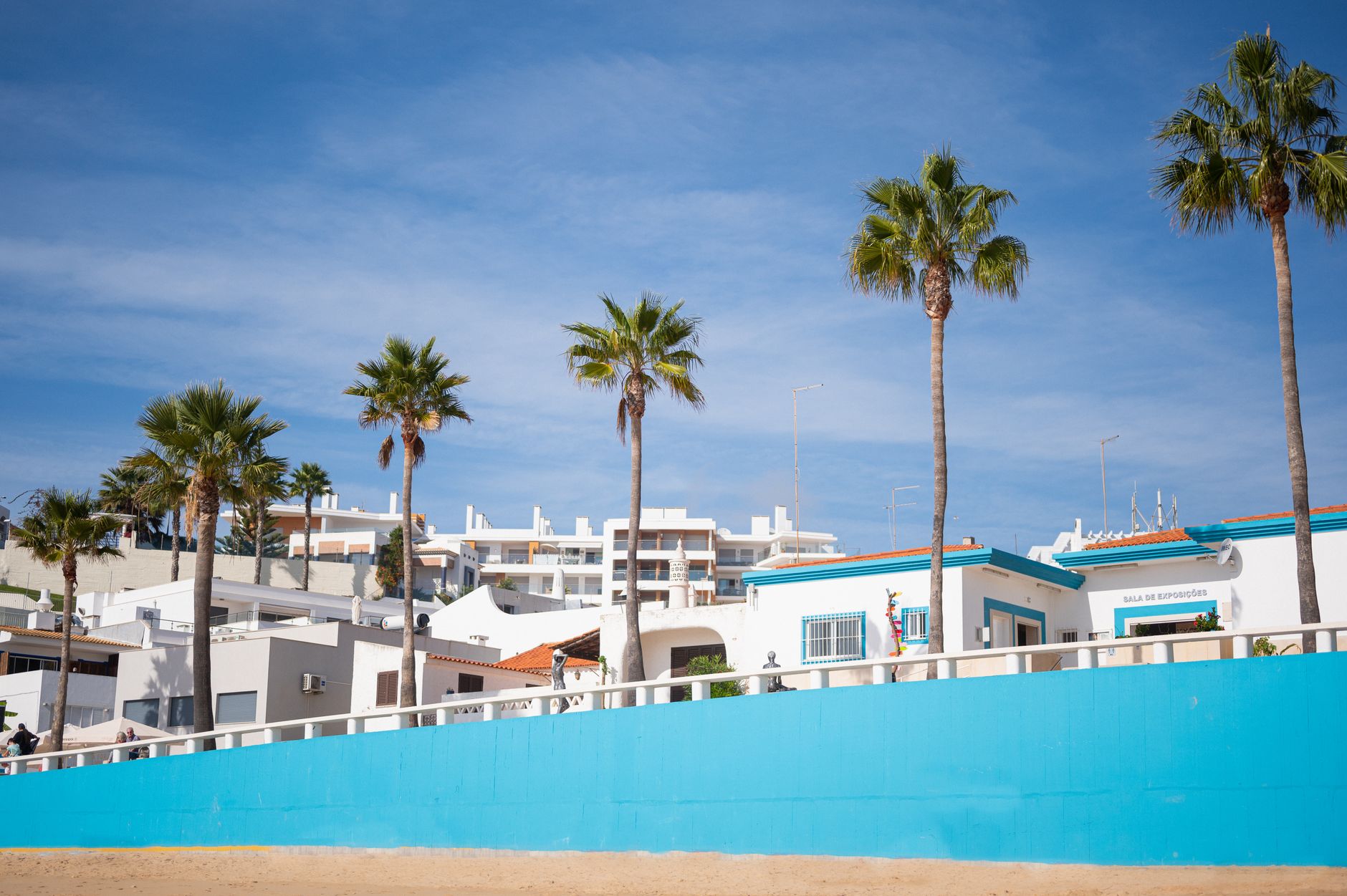
Albufeira brings students and residents closer to the Centro Ciência Viva do AlgarvePhoto by Vera Emilie on Pexels
ScienceFaro

Albufeira brings students and residents closer to the Centro Ciência Viva do Algarve

Barlavento28 August 2026 at 15:38

The Municipality of Albufeira signed a collaboration protocol with the Centro Ciência Viva do Algarve, with the objective of bringing students and residents closer to the science center.

The protocol provides for free visits to the Centro Ciência Viva do Algarve, allowing the inhabitants of Albufeira to have facilitated access to this science dissemination space.

In addition to visits, the agreement includes the carrying out of activities in the schools of the municipality, bringing science and education directly to the educational establishments of Albufeira.

The residents of Albufeira will also benefit from special conditions for access to the center, reinforcing the municipality's commitment to education and science for its population.

Related articles

Science

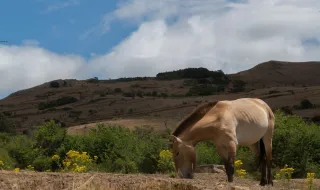
Takhi, the wild horse that became a symbol of restoration in Mongolia

The takhi, or Przewalski's horse, is the only truly wild horse in the world and a national symbol of Mongolia. Discovered by Europeans in the late 19th century, the species was hunted and sent to zoos until it was declared extinct in the wild in 1968. From the 1970s onwards, Dutch conservationists created a captive breeding programme, and in 1992, 15 horses were reintroduced to Hustai National Park. After a period of adaptation, the population grew and today there are around 800 animals in the country. Challenges include the degradation of the steppes caused by an excess of domestic animals — Mongolia has 58 million head of livestock — and climate change. The park is betting on economic alternatives for nomads, such as tourism and crafts, to reduce pressure on the land.

Jornal Económico29/08/26, 20:00
Science

Swapping planes for ships can do more for a T-shirt's footprint than changing fabric

A Concordia University study analyzed the full life cycle of cotton and polyester T-shirts and found that the most effective way to reduce fashion's carbon footprint is not choosing fabrics but extending garment use and changing transportation methods. Switching from air freight to sea freight can reduce a T-shirt's carbon footprint by 30% to 60%; doubling garment lifespan can cut related emissions by roughly half. This means buying less and using items longer matters more than simply choosing between cotton and polyester. The study indicates that the biggest opportunities to reduce fashion's environmental impact lie in producing fewer garments, making more durable products, and replacing air freight with sea freight where possible.

Jornal Económico29/08/26, 19:53
Mulher australiana dá à luz gémeos sem qualquer laço biológico
Science

Australian woman gives birth to twins with no biological connection whatsoever

A woman from Queensland, Australia, gave birth in November 2025 to twins who shared the same pregnancy but have no biological parents in common. The case, described as unique and with no known precedents in Australia, occurred after the woman, identified by the initials DZ, became pregnant naturally while simultaneously undergoing fertility treatment to act as a surrogate for another couple. DZ, who already had five children, agreed in September 2024 to be a surrogate for BNJ and DRJ, a couple who had resorted to fertility treatments.

ZAP Notícias29/08/26, 18:30
Science

"A moment in time". Fossil footprints shed new light on the "Nutcracker Man"

Scientists reanalysed fossilised hominin footprints approximately 1.43 million years old, discovered at Koobi Fora in Kenya, and revealed new information about Paranthropus boisei, known as the "Nutcracker Man". The study sheds new light on the locomotion and physical characteristics of this ancestral species, providing a more detailed view of a specific moment in human evolution.

CNN Portugal29/08/26, 18:00