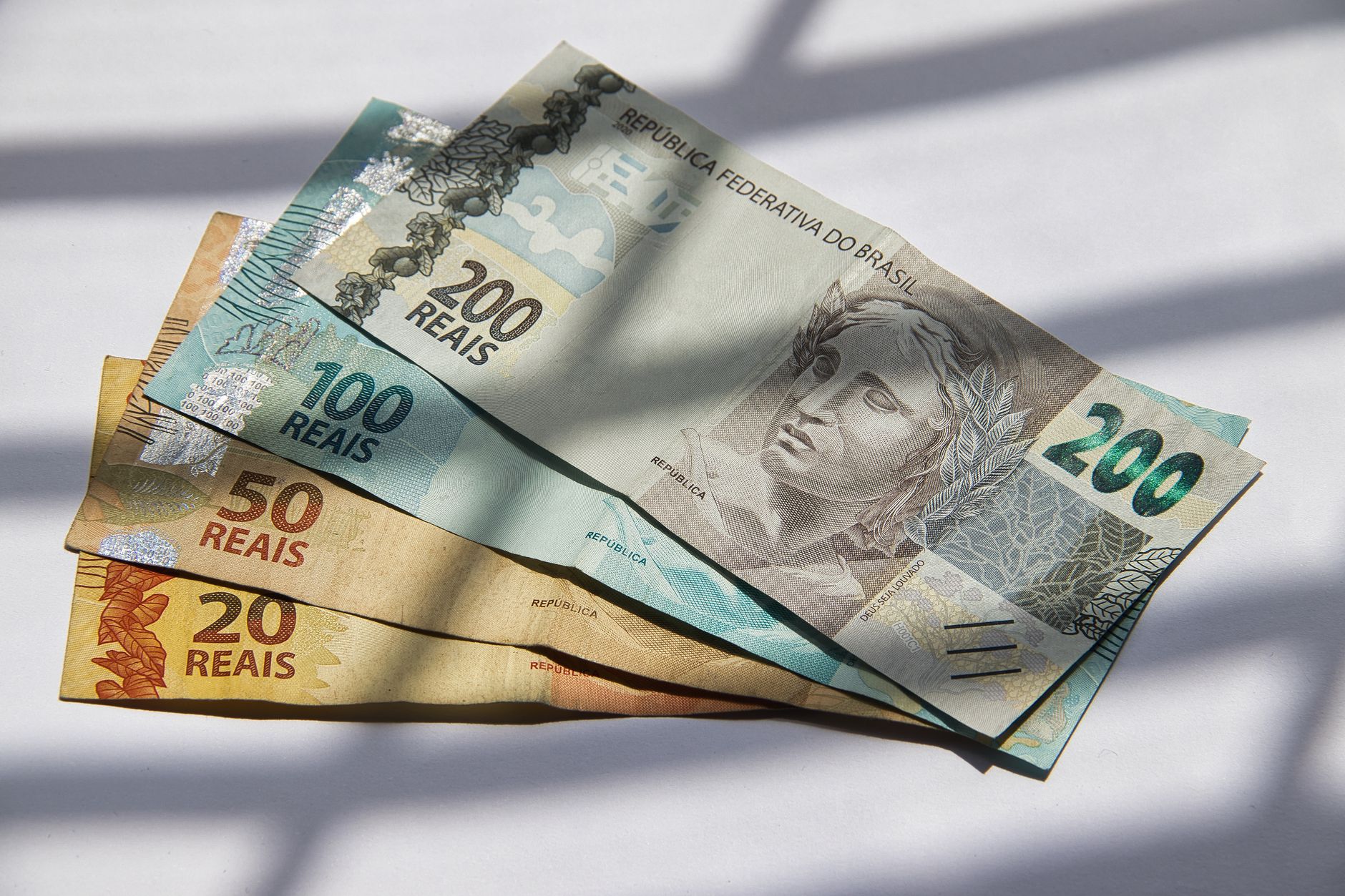
The commitment of Brazilian families' income to debt payments reached a new record since the series began in March 2011, according to data released by the Central Bank. The indicator, which measures the percentage of household budget allocated to debt installments, rose from 28.5% in May to 28.9% in June. When excluding mortgage financing, the income commitment increased from 26.2% to 26.6%.
The increase occurred despite the operation of the Desenrola 2.0 program, launched by the federal government in May to enable the renegotiation of family debts with lower interest rates. The program, however, has not yet been sufficient to reverse the upward trajectory of income commitment.
Conversely, household indebtedness, which measures the total percentage of debt relative to income, marginally decreased from 49.9% to 49.8% during the same period. Excluding housing credit, the index fell from 31.1% to 30.8%, remaining at elevated levels compared to the historical average.
The Central Bank's indicators on household debt and income commitment have a two-month lag, meaning the June data refers to operations conducted in April.