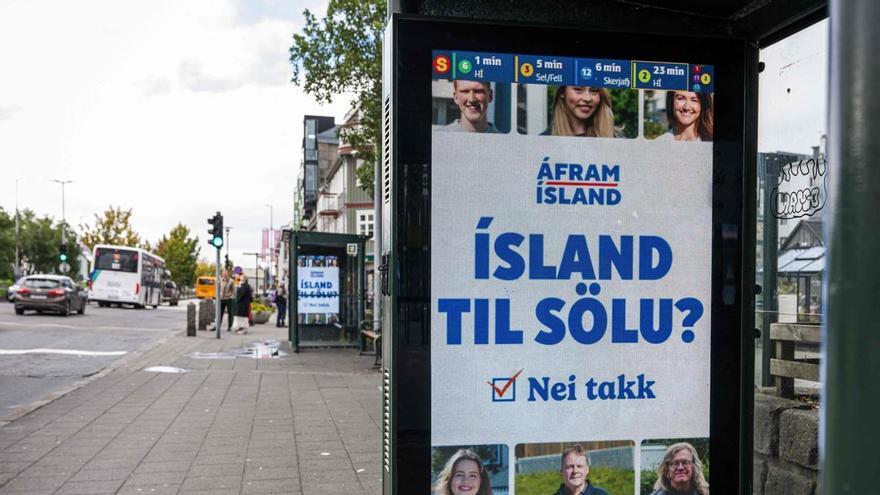
Iceland is resuming the debate over accession to the European Union more than a decade later, with a referendum scheduled for this Saturday where thousands of voters will decide whether they support the government's goal of resuming negotiations with Brussels. The executive is led by Social Democratic Prime Minister Kristrún Frostadóttir, who advocates for rapprochement with the EU. The vote will determine whether this small Arctic nation remains outside European institutions or formally begins the integration process.
The current economic and geopolitical scenario is very different from that of 2013, when Iceland's conservative government decided to definitively abandon the issue. At that time, the country was recovering from a severe financial crisis and negotiations with the EU had been suspended. Currently, the situation is different, although the debate continues to generate deep divisions in Icelandic society.
The issue remains controversial among citizens, with very differentiated positions on the benefits and risks of eventual accession. Supporters point to the advantages of access to the European single market and political integration within the bloc, while opponents fear losing sovereignty and control over the country's natural resources.