Surviving a Lightning Strike: When the World Stays the Same and You Don't
ScienceVila Real

Surviving a Lightning Strike: When the World Stays the Same and You Don't

El Periódico Mediterráneo - General30 August 2026 at 09:42

Thousands of people survive lightning strikes every year worldwide, but face consequences that conventional medical tests fail to detect. This invisible damage persists for decades and completely disrupts the lives of those who suffer from it. Science is beginning to describe this phenomenon as a recognized syndrome, although understanding it remains limited. Those affected have had to organize themselves to deal with questionable diagnoses and suspicions that they are exaggerating their symptoms. A chapter dedicated to lightning injuries published in StatPearls summarizes this situation and serves as a reference for those seeking to better understand these poorly comprehended injuries.

Related articles

Rios da Europa estão cada vez mais salgados devido à ação humana
Science

Rivers in Europe are becoming increasingly salty due to human activity

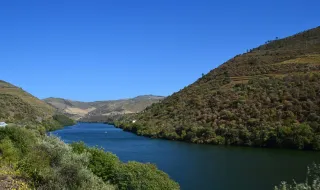
A recent study reveals that rivers in Europe are becoming increasingly salty due to human activity, with salinity increasing significantly in recent decades. In Portugal, the areas of Santarém and Baixo Alentejo are particularly concerning, with river salinity having doubled in the last ten years. Spain appears as one of the most serious cases in the European Union on this matter. The phenomenon is associated with factors such as intensive irrigation, water extraction for consumption, and the discharge of salts from agricultural and industrial activities.

SAPO Notícias30/08/26, 10:32
Science

Flowers, nectar and life: the plants that transform your balcony into a refuge for bees and other pollinators

This article offers practical tips for transforming balconies into refuges for bees and other pollinators. It explains that although cities are often hostile to biodiversity due to paving and lack of green spaces, balconies, terraces and patios can function as small islands of vegetation. The key is to select flowering plants rich in nectar and pollen, preferably species that produce many flowers, and stagger their flowering periods to ensure food is available for longer. These plants not only beautify the space with color and fragrance, but also provide essential resources for pollinators and contribute to urban biodiversity.

Meteored Portugal30/08/26, 10:04
Cefaleia em salvas: há novas pistas sobre o que causa a dor de cabeça “suicida”
Science

Cluster headache: there are new clues about what causes the "suicidal" headache

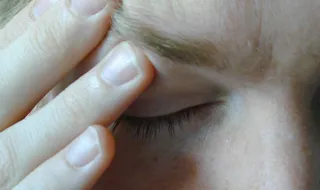
Two new studies from the Karolinska Institutet in Sweden have identified clues about the biological mechanisms of cluster headache, a rare neurological disease marked by sudden attacks of extreme pain. The investigations point to inflammation, changes in gene regulation, and exposure to substances found in tobacco smoke as possible contributing factors for the development of the condition. It was found that people with cluster headache smoke more frequently, although a cause-and-effect relationship has not yet been established. The disease manifests in well-defined cycles, at fixed times and daily.

ZAP Notícias30/08/26, 10:00
Cientista portuguesa integra expedição no Ártico para estudar ciclo do carbono
Science

Portuguese scientist joins Arctic expedition to study carbon cycle

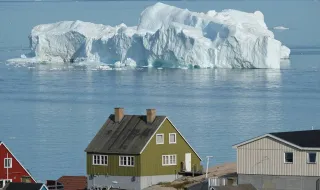
A Portuguese scientist is participating in an Arctic expedition to study the carbon cycle, focusing particularly on coccolithophores and other calcifying planktonic organisms, which use dissolved carbon in the water to build calcium carbonate structures.

SAPO Notícias30/08/26, 10:00