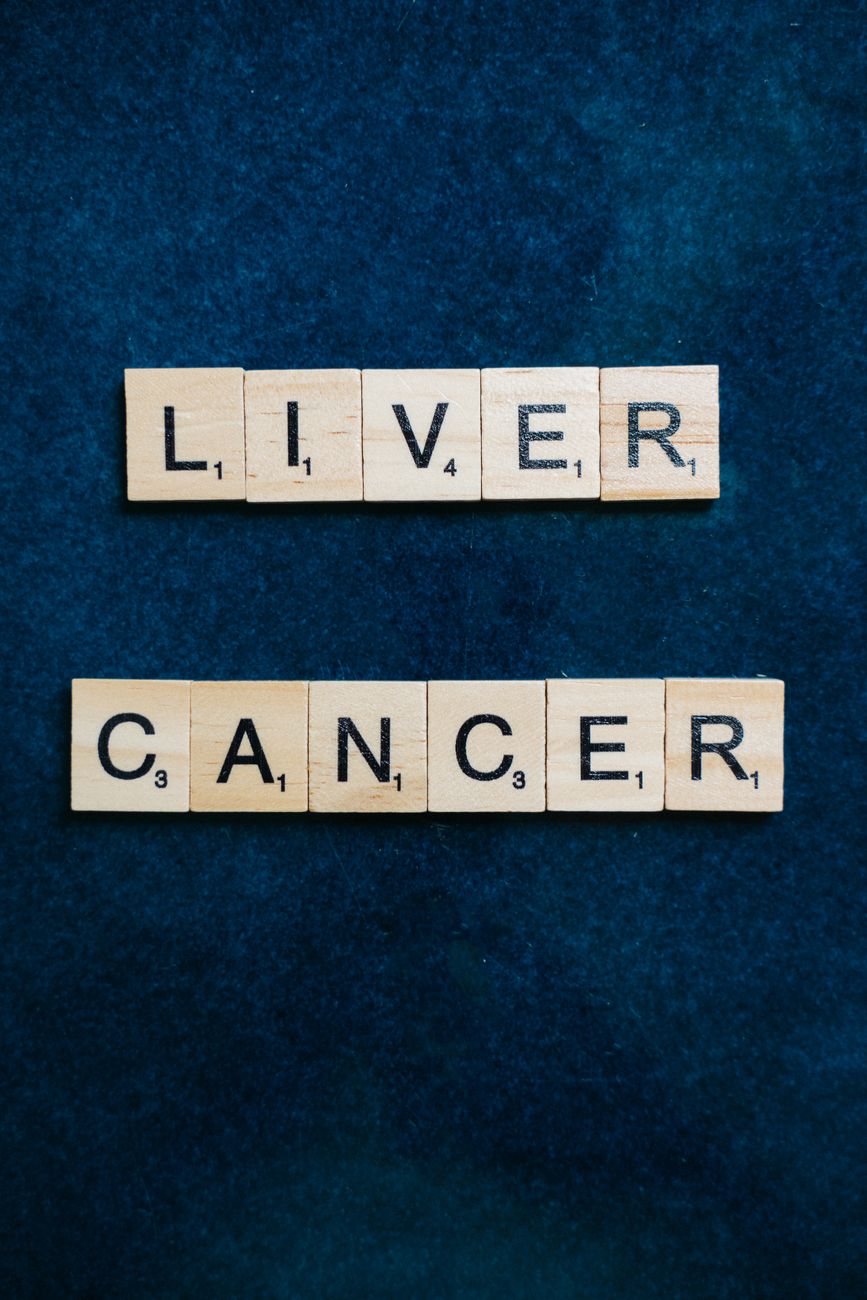
Cancer, HIV, lupus, Hepatitis B, cardiovascular diseases. Despite being "far from cures", mRNA vaccines are the futurePhoto by Anna Tarazevich on Pexels
Science

Cancer, HIV, lupus, Hepatitis B, cardiovascular diseases. Despite being "far from cures", mRNA vaccines are the future

CNN Portugal30 August 2026 at 08:00

The news about the first vaccine against melanoma has once again sparked hopes in society and the medical community, fueling the dream of a future without cancer. This vaccine uses messenger RNA technology, the same that was used in the Covid-19 vaccines.

mRNA technology is being pointed out as a light at the end of the tunnel for various pathologies, including cancer, HIV, lupus, Hepatitis B and cardiovascular diseases. However, despite the enthusiasm generated, experts warn that we are still "far from definitive cures".

Scientist Nuno Vale commented on the advance, stating that "it's a confirmation, we knew this was going to happen". The researcher acknowledges the potential of the technology, but maintains a realistic perspective on the challenges that still exist.

Nuno Vale points to personalized and precision medicine as the future (very close) in the fight against various diseases, suggesting that treatments will be adapted to the individual characteristics of each patient, representing a paradigm shift in the therapeutic approach.

Related articles

Science

Municipality installs 152 traps for bark beetle control

The municipality installed 152 traps to control bark beetles, which represent a threat to weakened trees. This forest management measure aims to prevent damage to already weakened trees, protecting the local ecosystem.

Diário de Leiria30/08/26, 09:00
Science

"Finding a 'sister Earth' is a challenge for the next 20 years", Nobel Prize in Physics assures

The Nobel Prize in Physics stated that finding a "sister Earth" – a planet with suitable conditions for life – represents a challenge that could take at least 20 years to overcome. The declaration comes in the context of discoveries about Venus, which the European Space Agency (ESA) described as a planet with a "hellish environment", characterized by extremely high temperatures, exceeding those of a conventional oven, making it inhospitable to life as we know it.

CNN Portugal30/08/26, 08:33
Science

How much dark chocolate to eat per day? Expert points out the quantity and ideal cocoa content

A nutrition specialist explains that consuming between 28 and 57 grams of dark chocolate per day, with 85% cocoa content or higher, can provide compounds associated with concentration, neuronal protection, and emotional well-being. Pharmaceutical expert Paula Martín Clares highlights the presence of flavonoids, magnesium, tryptophan, and theobromine in cocoa, substances linked to improved cerebral blood flow and protection against oxidative stress. However, she warns that these potential benefits do not transform chocolate into a treatment for depression and depend on choosing products with low sugar content.

oglobo30/08/26, 08:30
Así es el gigantesco depósito de agua dulce descubierto bajo el Atlántico
Science

This is how the gigantic freshwater deposit discovered under the Atlantic looks like

In 1976, scientists searching for oil and gas on the east coast of the United States unexpectedly discovered fresh water in the depths of the Atlantic. A series of investigations followed, recently culminating in an international scientific expedition that confirmed the existence of a gigantic underground fresh water deposit. Studies continue to detail the dimensions and implications of this discovery.

El Periódico Mediterráneo - General30/08/26, 08:29