Active governance and ethics in AI: the end of the hallucination effectPhoto by Eduardo Fuentes Loya on Pexels
AI NewsCoimbra

Active governance and ethics in AI: the end of the hallucination effect

oglobo28 August 2026 at 23:26

The proliferation of generative artificial intelligence models in the corporate environment has exposed a critical vulnerability to brand reputation and data security. The so-called hallucination effect, characterized by the generation of inaccurate or legally compromising information by bots without strict rules, has become one of the greatest risks on the legal and technology boards of companies.

The adoption of AI architectures with active governance mechanisms emerges as the definitive alternative to ensure compliance with the General Personal Data Protection Law and protect company assets. The pursuit of automation led several corporations to implement generic systems that operate in open environments and without real-time auditing.

This lack of adequate tools increases the risk of non-compliance and data incidents, exposing companies to labor, contractual, and regulatory liabilities. The concern about ethical and legal implications has prevented organizations from fully utilizing the potential of artificial intelligence in their processes.

Related articles

Nvidia terá adquirido empresa que foi invadida pela OpenAI
AI News

Nvidia is said to have acquired company invaded by OpenAI

According to circulating rumors, Nvidia is said to have accepted a deal to acquire Hugging Face for 11.1 billion euros. This is not the first time Nvidia has tried to buy this company specialized in artificial intelligence and open-source platforms for language models.

SAPO Notícias28/08/26, 21:02
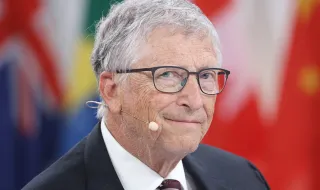
Bill Gates sobre IA: "Precisamos de um plano para garantir que o lado positivo supera o negativo"
AI News

Bill Gates on AI: "We Need a Plan to Ensure the Positive Side Outweighs the Negative"

In his newsletter, Bill Gates argues that we are entering a profoundly transformative era of artificial intelligence (AI), but that the world is not yet prepared to deal with its impacts, warning of the need for a plan that ensures AI's benefits outweigh the risks and negative consequences.

SAPO Notícias28/08/26, 18:46
AI News

Vatican: Pope appeals for the "humanization of digital technologies" in service of life and peace

Pope Leo XIV appealed at the Vatican for the humanization of digital technologies in service of life and peace, during an audience with members of the International Institute of Administrative Sciences. The pontiff warned about the concentration of these tools in the hands of major economic and technological actors, which States struggle to control, advocating for the need of an ethics that accompanies their use. Leo XIV questioned whether, given the speed of Artificial Intelligence, it will be possible to control these machines in the future, emphasizing that decisions regarding human life should not be entrusted to machines. The Pope highlighted the importance of preserving balance in the use of technologies and reaffirmed the irreplaceable nature of human intelligence.

Agência ECCLESIA28/08/26, 16:54
AI News

Germany: Can Waymo in Munich make European roads safer?

Waymo, an Alphabet company, launched autonomous taxis in Munich, Germany, becoming the third city outside the United States to receive this driverless vehicle service. The company presents data indicating that its vehicles are safer than human drivers, suggesting that autonomous driving technology can contribute to making European roads safer.

Euronews Portugal28/08/26, 14:29