Confidence declines in almost all sectors amid weaker economy, FGV Ibre surveys showPhoto by Mateo Franciosi on Pexels
BusinessCoimbra

Confidence declines in almost all sectors amid weaker economy, FGV Ibre surveys show

oglobo28 August 2026 at 14:24

The economic slowdown in the second half, evidenced by various indicators, is pointed out as the main cause of the widespread reduction in confidence indexes measured by FGV Ibre in August. The negative highlight was industry, whose confidence fell 3.5 points, representing the biggest drop since August last year.

Consumers also recorded the fourth consecutive decline in confidence, with a negative variation of 3.6 points, bringing the index to 84.7 points — the lowest level since November 2022. The trade and construction sectors also registered a decline in confidence during the period.

The only sector that advanced was services, with a 1.2-point increase in August. However, according to Rodolpho Tobler, a researcher at FGV Ibre, even in this group there was no widespread growth among the segment's activities, indicating that the increase was localized.

Related articles

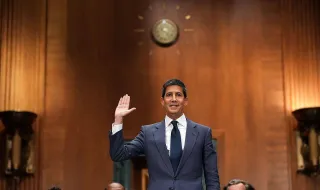
Kevin Warsh alerta para a Inflação "preocupante" e sinaliza que a Fed tem "trabalho a fazer": virá novo aumento dos juros em setembro?
Business

Kevin Warsh warns of "concerning" inflation and signals that the Fed has "work to do": will there be a new interest rate hike in September?

Kevin Warsh, chairman of the Federal Reserve, warned in his debut speech at the Jackson Hole meeting that inflation remains "concerning" and signaled that the Fed will have "work to do" if prices do not fall quickly. Short-term interest rates rose immediately after his statements, a clear signal that markets interpreted the message as an opening for a new interest rate hike in September. Warsh's intervention placed inflation at the center of priorities, reinforcing expectations of a more restrictive monetary policy by the Federal Reserve.

Expresso28/08/26, 16:02
Business

Memory shortage drives prices up and delays revolution

Massive demand for high-performance memory from data centers for training and running artificial intelligence models is causing a global shortage that has driven DRAM, HBM, and NAND memory prices up by between 80% and 500% over the past year. Production capacity is being diverted to servers, reducing supply for consumers and other equipment. Companies such as Microsoft, Apple, Amazon, Dell, and HP have already raised prices on their products, with Microsoft raising Xbox console prices by up to 150 dollars. The crisis is slowing the mass adoption of AI, with smartphone sales falling 13.9% this year and average PC prices rising 18.3%. Analysts predict the situation will only stabilize by 2028, creating a two-speed AI adoption between large cloud operators and consumers.

Jornal Económico28/08/26, 15:57
Business

Federal Reserve President Considers Inflation "Concerning" and Indicates Interest Rates May Rise

The president of the US Federal Reserve, Kevin Warsh, appointed by Donald Trump to replace Jerome Powell after constant criticism from the president of US interest rates, considered inflation "concerning" and indicated that interest rates may rise. Warsh's nomination occurs amid tensions between Trump and Powell, who was removed from the position after the American president harshly criticized the Federal Reserve's monetary policy.

CNN Portugal28/08/26, 15:55
Business

Chip manufacturers are outperforming big tech in the AI race

Chip manufacturers are outperforming big tech companies in the artificial intelligence race, as companies like NVIDIA, AMD, and others that produce the hardware, products, and services needed to build data centers reap the biggest benefits from massive AI investment. While big tech companies develop models and applications, it is the infrastructure suppliers that dominate the value chain, reporting significant growth in their revenues and market value.

CNN Portugal28/08/26, 15:53