The expansion of already built properties using Light Steel Framing (LSF) is an increasingly used alternative in renovations and vertical constructions, offering fast assembly and reduced load on the existing structure. However, the main challenge lies in the interface between the new construction in Steel Frame and the old building, usually in masonry or concrete. This connection can generate problems such as water infiltration, thermal bridges, noise transmission through vibration, and structural compromise. To avoid these occurrences, it is essential that the connection between the structures be planned from the design phase, considering the characteristics of the existing property, the expansion loads, and the behavior of the different materials.
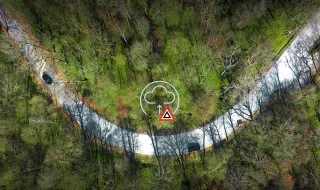
Volvo is updating three of its electric vehicles with new interconnected safety alerts that allow cars to communicate directly with each other to warn drivers about road hazards such as animals, pedestrians, cyclists, roadworks, or accidents. Unlike collaborative systems like Google Maps or Waze, this technology is based on direct communication between vehicles of the Swedish brand in Europe.
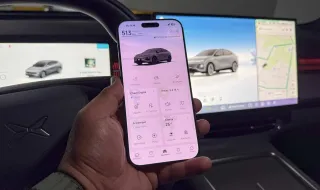
The article addresses the transformation of the car key over the decades, from fully mechanical models, through remote controls, to keyless systems, and now culminating in the smartphone as the vehicle key. XPENG is presented as an example of how this technology allows drivers to unlock, start, and control their vehicles exclusively through their mobile phone, eliminating the need for a traditional physical key.
The article warns about a new type of banking fraud through mobile phone, where criminals send fake messages simulating alerts about suspicious bank operations, including malicious links to resolve non-existent problems. The goal is to steal personal and financial data from victims.
The article explains what MFA (Multi-Factor Authentication) is and emphasizes the importance of enabling it. It highlights that passwords, even when strong and complex, are no longer sufficient to protect accounts, as they can be discovered, stolen through phishing campaigns, or exposed in data breaches, making multi-factor authentication an essential additional layer of security.