Rain Trade adopts decentralized model in prediction markets
oglobo26 August 2026 at 13:50
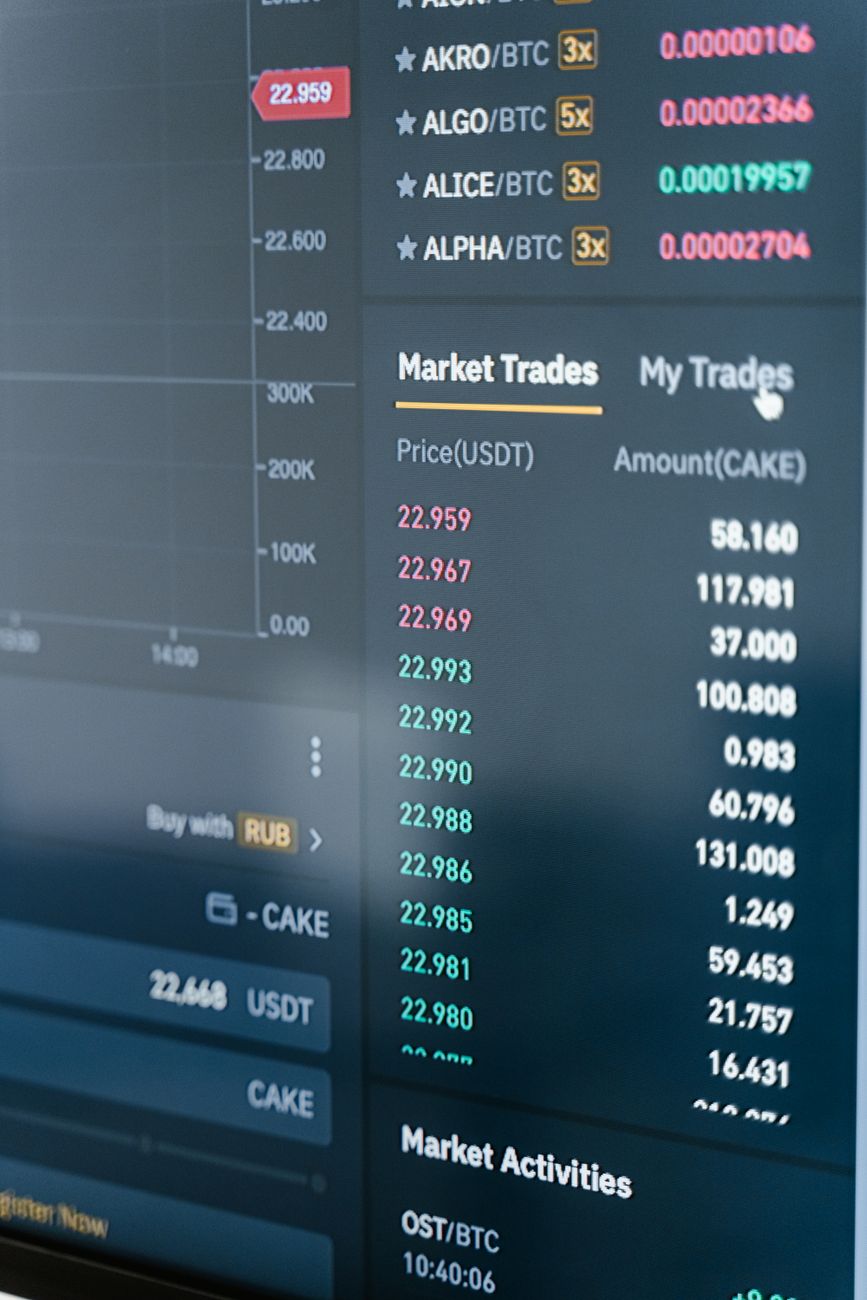
Rain Trade is a predictive markets platform built on the Rain Protocol that adopts a decentralized and community-driven model to expand access to this market. The platform allows anyone to create, trade, and participate in markets related to real-world events, regardless of language, promoting collective participation in building forecasts. Predictive markets have been growing globally as tools for estimating probabilities of future events in areas such as economics, politics, sports, technology, and cultural trends, based on the collective intelligence of participants. Rain Trade differentiates itself by allowing users themselves to propose new markets, rather than limiting them to pre-defined events on the platform.
The Ponte de Lima City Council is investing around one million euros in the technological modernization of the municipality's schools, with 85% funding from the NORTE 2030 program. The project includes the installation of 159 4K interactive panels, 345 computers, 14 educational robotics kits and 125 next-generation Wi-Fi access points, creating "Future Classrooms" in kindergartens and primary schools. The initiative extends to robotics and programming, with robotic arms featuring Artificial Intelligence and computer vision, as well as an 84-hour training program for educators. The intervention aims to strengthen learning conditions and prepare the educational community for an increasingly technological and innovative context.
The article presents five Instagram privacy and security settings that users should review to have greater control over their experience on the social network. These settings allow managing who can follow the user's activity, interact with them, or access their content, offering an extra layer of protection and account customization.
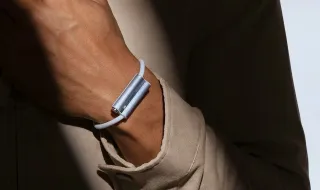
The former Fitbit executives, James Park and Eric Friedman, launched Luffu Link, a smart bracelet designed for remote monitoring of the physical and mental health of elderly people. The device allows family members and caregivers to remotely monitor the health status of older adults, combining wearable technology with long-distance care features.
Starting in September, Portugal will begin collecting 100% of biometric data from Brazilians and citizens of countries outside the European Union at airports, through a new system that is in the implementation phase. The system, which aims to modernize immigration control, has already caused long queues at the terminals during its initial implementation phase, causing inconvenience to passengers.