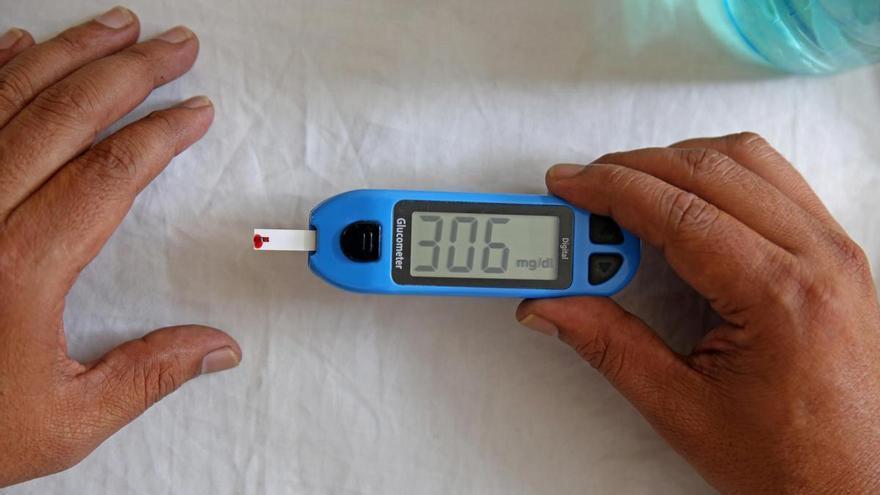
Type 1 diabetes is expected to affect 12.1 million people worldwide in 2049, representing a 29% increase compared to the number of people with the disease last year, according to estimates presented at the Annual Congress of the European Association for the Study of Diabetes (EASD). The congress is an important event in the field of endocrinology and metabolism, bringing together specialists to discuss data and projections about the disease.
Although most people with type 1 diabetes live in high and middle-income countries, the largest relative increase in the prevalence of the disease is expected in low-income countries. This growth is related to improvements in insulin access, glucose control, and survival rates in these countries.
The economic context of countries is an important factor in these projections, since access to essential treatments such as insulin continues to be a significant challenge in many regions of the world. Health organizations use this data to plan prevention and treatment strategies.