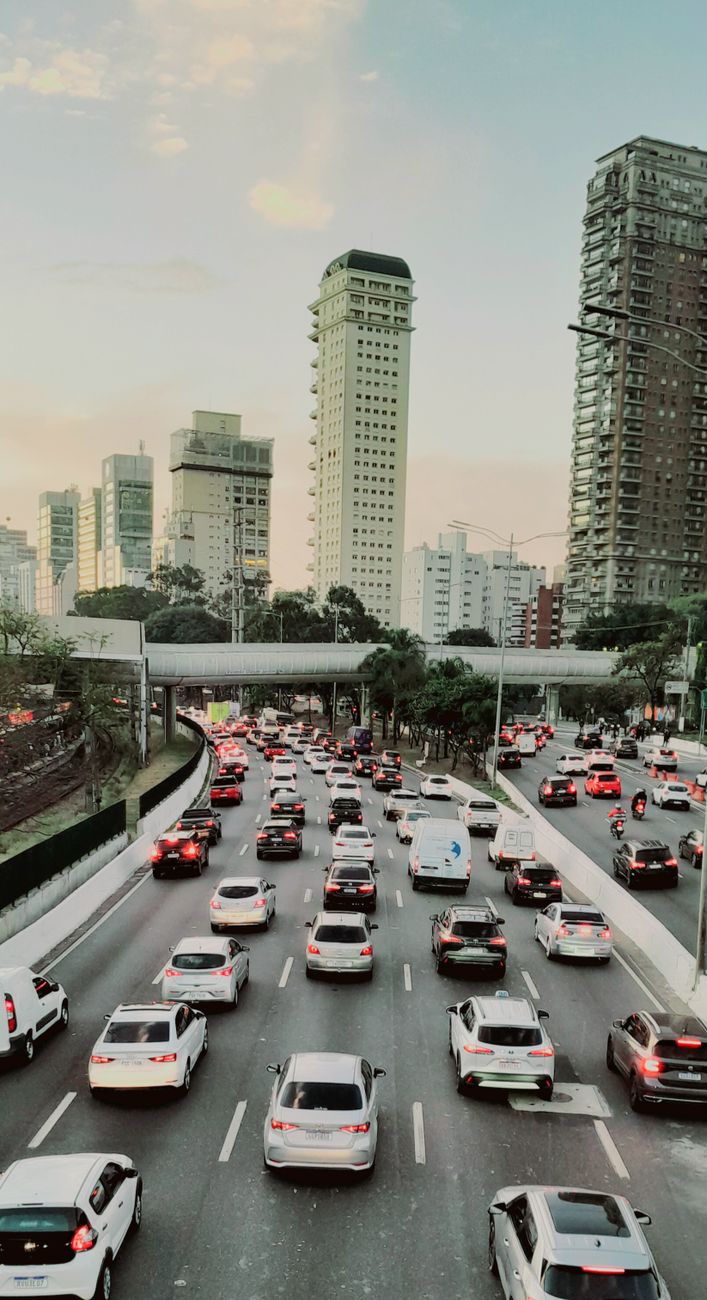
Spending hours in traffic is already part of the routine of millions of Brazilians. Between traffic jams, long commutes, and crowded public transportation, the time spent on home-to-work commutes takes up an increasingly larger portion of the day. The problem is that this period is often seen only as a consequence of city life, while its impacts on physical and mental health often remain in the background.
A survey by the National Federation of Business Managers (CNDL), in partnership with SPC Brasil and the Brazilian Support Service for Micro and Small Enterprises (Sebrae), shows that residents of large urban centers spend, on average, the equivalent of 21 days per year in traffic.
In Rio de Janeiro, the situation is even more challenging. According to a study by the mobility app Moovit, the average home-to-work commute time in the Metropolitan Region reaches 58 minutes per trip. Among public transportation users, 11% spend two hours or more on each trip, meaning many workers dedicate practically half a day just to go to and from work.