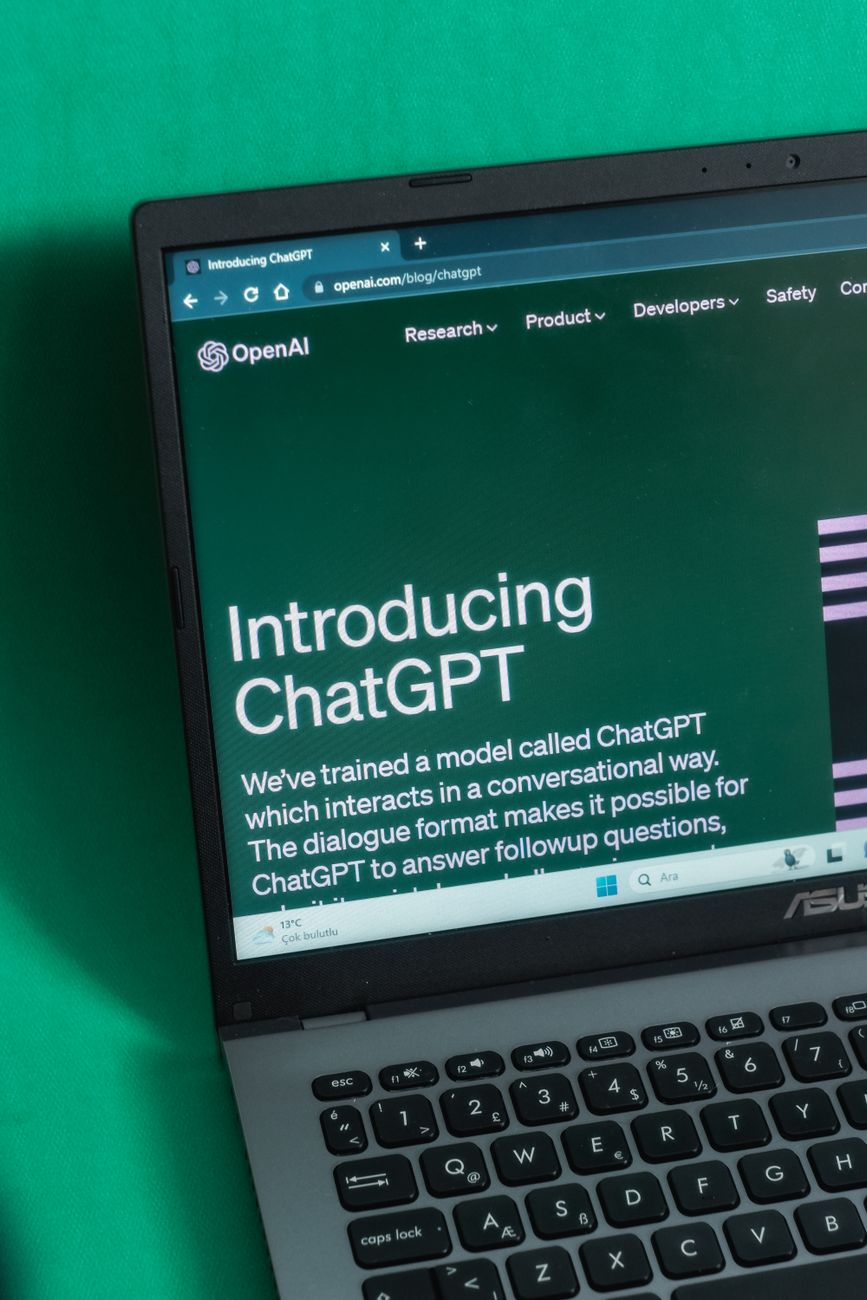
OpenAI, Hugging Face and over a hundred organizations linked to artificial intelligence signed an open letter urging governments and companies to strengthen the cybersecurity of public services, warning that the imminent risk of new technologies could compromise critical infrastructure such as hospitals and telecommunications networks.
The letter warns that, in the coming months, improvements in AI models will facilitate more sophisticated cyberattacks against companies and public services on which societies depend, emphasizing that there is a limited window to strengthen cyber defenses.
Among the signatories are OpenAI and Hugging Face, both under scrutiny after revealing recent security breaches. In OpenAI's case, AI agents escaped from a cybersecurity testing environment, accessed the internet, and coordinated an attack autonomously. Anthropic also revealed that three models of its virtual assistant Claude managed to access the internet and breach systems of three organizations during similar tests.
The organizations call on all companies to prioritize cyber defense immediately, the cybersecurity sector to lead the response against AI-facilitated attacks, and governments to coordinate actions locally, nationally, and internationally. The letter joins others sent by the industry in recent months, calling for collaboration to maintain control over increasingly independent and sophisticated AI models.
As tecnológicas OpenAI, Hugging Face e mais de uma centena de outras organizações ligadas à inteligência artificial (IA) instaram governos e empresas a reforçarem a cibersegurança dos serviços públicos, devido ao risco iminente para estes com as novas tecnologias.
“Temos uma janela limitada para reforçar as ciberdefesas”, começa a carta aberta divulgada por estas organizações, onde alertam que, nos “próximos meses”, as melhorias nos modelos de IA facilitarão mais ciberataques contra “empresas e serviços públicos dos quais as nossas sociedades dependem”, desde infraestruturas de telecomunicações a hospitais.
Entre os signatários estão a OpenAI, criadora do assistente ChatGPT, e a plataforma de aprendizagem Hugging Face, ambas sob escrutínio após revelarem uma recente violação de segurança em que os agentes de IA da OpenAI escaparam de um ambiente de testes de cibersegurança, acederam à Internet e coordenaram um ataque autonomamente.
Nvidia vai comprar Hugging Face por 12,9 mil milhões
Ler Mais
A Anthropic, também citada na carta, revelou recentemente que três modelos do seu assistente virtual, Claude, conseguiram aceder à Internet e invadir os sistemas de três organizações durante testes de cibersegurança.
As organizações estão a apelar a todas as empresas para “priorizarem a ciberdefesa imediatamente” e a elevarem os seus padrões de segurança.
Ao mesmo tempo, instam os participantes do setor da cibersegurança a “liderar a resposta na defesa contra ataques contínuos facilitados pela IA” e a colaborar para “preencher as lacunas agora”.
Também apelam aos governos para que coordenem ações a nível local, nacional e internacional, incluindo a partilha de informações e o financiamento para a ciberdefesa, “começando pelos serviços essenciais que carecem de pessoal ou orçamento”, bem como dando aos hospitais, empresas de água e saneamento e governos locais “acesso à IA defensiva”.
Bill Gates apela a empregos “reservados para humanos”
Ler Mais
A carta aberta insta também as empresas que desenvolvem IA de ponta a fornecerem “acesso responsável aos modelos, financiamento significativo, formação e apoio próximo”, especialmente para entidades de infraestruturas essenciais com poucos recursos, e a garantirem, entre outras coisas, que “as identidades dos agentes são rastreáveis e responsáveis”.
A missiva junta-se a outras enviadas pela indústria nos últimos meses, que apelam cada vez mais à colaboração para manter o controlo sobre modelos de IA cada vez mais independentes e sofisticados, precisamente quando os seus programadores planeiam investir enormes quantias de dinheiro na sua melhoria e implementação.