From bikes to surfboards: what's allowed and not allowed in Uber rides
oglobo27 August 2026 at 13:00
Uber allows passengers to bring various items on their trips, such as surfboards, bicycles, guitars, boxes and packages, as long as they meet one main criterion: the object must fit in the vehicle and be able to be transported safely. According to the company, luggage and belongings should be stored securely, using the trunk or roof rack whenever possible, and should not take up passenger space or compromise trip safety. Bicycles can be transported when there is adequate space, and folding bikes should be closed and stored in the trunk, as should surfboards and other sports equipment.
Brazilian national airports registered a 2.1% growth in the number of passengers in July, surpassing the Vinci network average. The cumulative growth in the first seven months of the year reached 2.5%.
The Volta deposit and refund system indicates on its website that 16 municipalities have no packaging collection points, but the managing entity SDR Portugal states that only five municipalities — Alcoutim, Mora, Ribeira de Pena, Santa Marta de Penaguião and Corvo — do not have equipment, blaming the website being out of date. Mayors from municipalities such as Oleiros, Mourão and Mora confirm the absence of machines, with populations having to travel dozens of kilometres to neighbouring municipalities to return packaging and recover the 0.10 euro deposit, criticizing the lack of equitable access to the system.
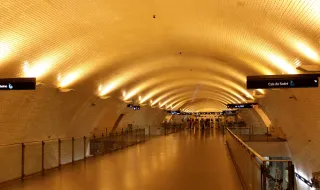
The Cais do Sodré station of the Lisbon Metro reopened this Thursday after 19 days closed for railway signaling works related to the future Circular Line. Green line circulation was resumed between Telheiras and Cais do Sodré, in both directions. The work carried out included preparing the network for the future operational configuration of the Circular Line, which is expected to come into operation in the first quarter of 2027 and will connect Rato to Cais do Sodré through the future Estrela and Santos stations, adding more than two kilometres to the network.
Specialists warned during a seminar in Brasília that organized crime has expanded across the entire fuel chain, involving tax fraud, product adulteration and money laundering, and advocated for greater integration between security forces, regulatory agencies and the private sector to combat the problem. According to the Instituto Combustível Legal, recent operations helped redirect approximately 10 billion liters of fuels that were being sold illegally to the legal market, but the entity's president warned that the gas station is just the tip of the iceberg of a structure involving distributors and transportation companies.